PostHog
Product analytics, session replays, feature flags, and A/B testing in one open-source platform
Product-led founders who need funnels, replays, and feature flags
Founders who just want basic pageview counts
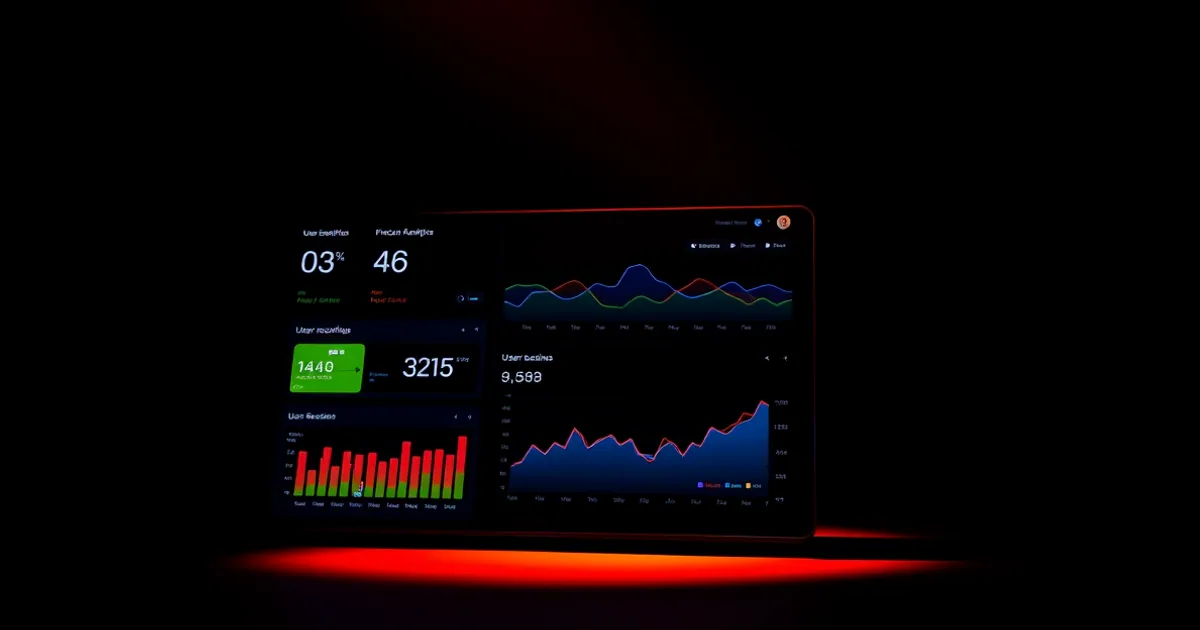
PostHog in context: product setup, workflows, and operations
PostHog is the Swiss Army knife of product analytics. It combines event tracking, session replays, feature flags, A/B testing, and user surveys into a single open-source platform. Where Plausible gives you a clean pageview dashboard, PostHog gives you the tools to understand what users do inside your product and run experiments to improve it. It’s powerful, generous on the free tier, and more complex than most founders need on day one.
Overview
PostHog captures events, meaning actions your users take inside your app. Page views, button clicks, form submissions, purchases, anything. You define the events (or let PostHog auto-capture them), then build funnels, retention charts, and user paths to understand behavior.
Session replays let you watch actual user sessions: where they click, where they scroll, where they get confused and leave. It’s the closest thing to sitting behind a user and watching them use your product. For founders debugging onboarding flows or figuring out why signups drop off, this feature is invaluable.
Feature flags let you roll out changes to a percentage of users before going fully live. A/B testing builds on this: ship two versions of a page or flow and measure which one converts better. Surveys let you ask users questions directly inside your app.
For non-technical founders, PostHog’s auto-capture feature reduces the setup burden. Instead of manually defining every event, PostHog captures clicks, pageviews, and form interactions automatically. You can then retroactively analyze events you didn’t plan to track.
Who It’s For
PostHog is for founders who are past the “do I have any traffic?” phase and into the “why aren’t users converting?” phase. If you have an active product with real users and need to understand their behavior, PostHog is the tool.
It’s particularly valuable for product-led companies where the product itself drives growth. If your business model depends on users completing an onboarding flow, activating a key feature, or converting from free to paid, PostHog’s funnel and retention tools help you measure and optimize each step.
It’s overkill for marketing sites, blogs, or pre-launch landing pages. If you just need pageview counts and traffic sources, Plausible is simpler, cheaper, and faster to set up.
Pricing
The free tier is genuinely generous: 1 million events per month, 5,000 session replays, 1 million feature flag requests, and 250 survey responses. Most early-stage products won’t exceed these limits for months.
Beyond the free tier, pricing is usage-based. Events cost roughly $0.00031 each after the first million. Session replays, feature flags, and surveys each have their own pricing tiers. The pricing calculator on their site is straightforward, but estimating costs before you have real usage data is tricky.
There’s no fixed monthly fee. You pay only for what you use above the free allowances. This is good for bootstrapped founders but means your costs grow with your product’s success. A product with 100K monthly active users might pay $50-200/month depending on feature usage.
The Good
The free tier is the most generous in product analytics. Competitors like Amplitude and Mixpanel offer less at similar price points, and neither includes session replays or feature flags.
Session replays are included, not a separate product. In most analytics stacks, you’d need PostHog for events plus Hotjar or FullStory for replays. PostHog combines them, which simplifies your tooling and reduces costs.
Being open-source means you can self-host if you want full data control. Most founders won’t, but it’s a meaningful option for companies in regulated industries or those with strict data residency requirements.
The community and documentation are excellent. PostHog’s team writes genuinely useful tutorials, and their community Slack is active and helpful.
The Bad
The learning curve is significant. PostHog has many features, and the interface reflects that complexity. Expect to spend several hours setting up your first dashboard, defining key events, and building meaningful funnels. It’s not a “glance at the dashboard” tool.
Auto-capture generates a lot of noise. Without thoughtful event naming and filtering, your analytics fill up with meaningless click events on random UI elements. Plan to spend time curating which events matter.
The interface can feel slow when querying large datasets. Complex funnels or retention queries across millions of events occasionally take 10-20 seconds to load.
Some features (data warehouse, CDP) are newer and less polished than the core analytics. PostHog is expanding aggressively, and not every feature has the same level of maturity.
Verdict
PostHog is the best product analytics platform for startups, full stop. The free tier alone justifies trying it, and the combination of events, replays, feature flags, and experiments in one tool saves you from stitching together three or four separate services. But it’s a product analytics tool, not a simple analytics dashboard. Install Plausible for your marketing site, and add PostHog when you have a real product with real users whose behavior you need to understand.